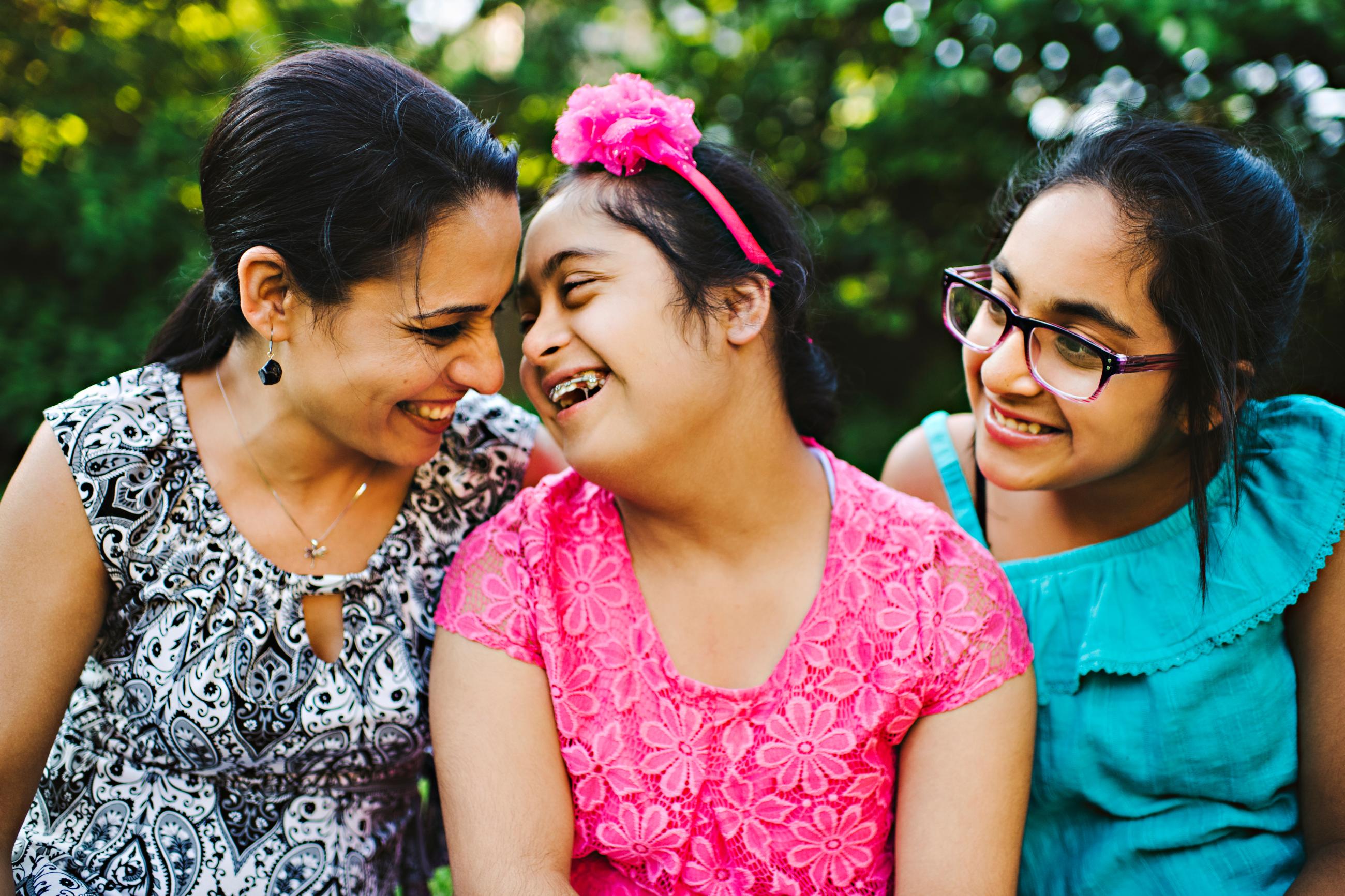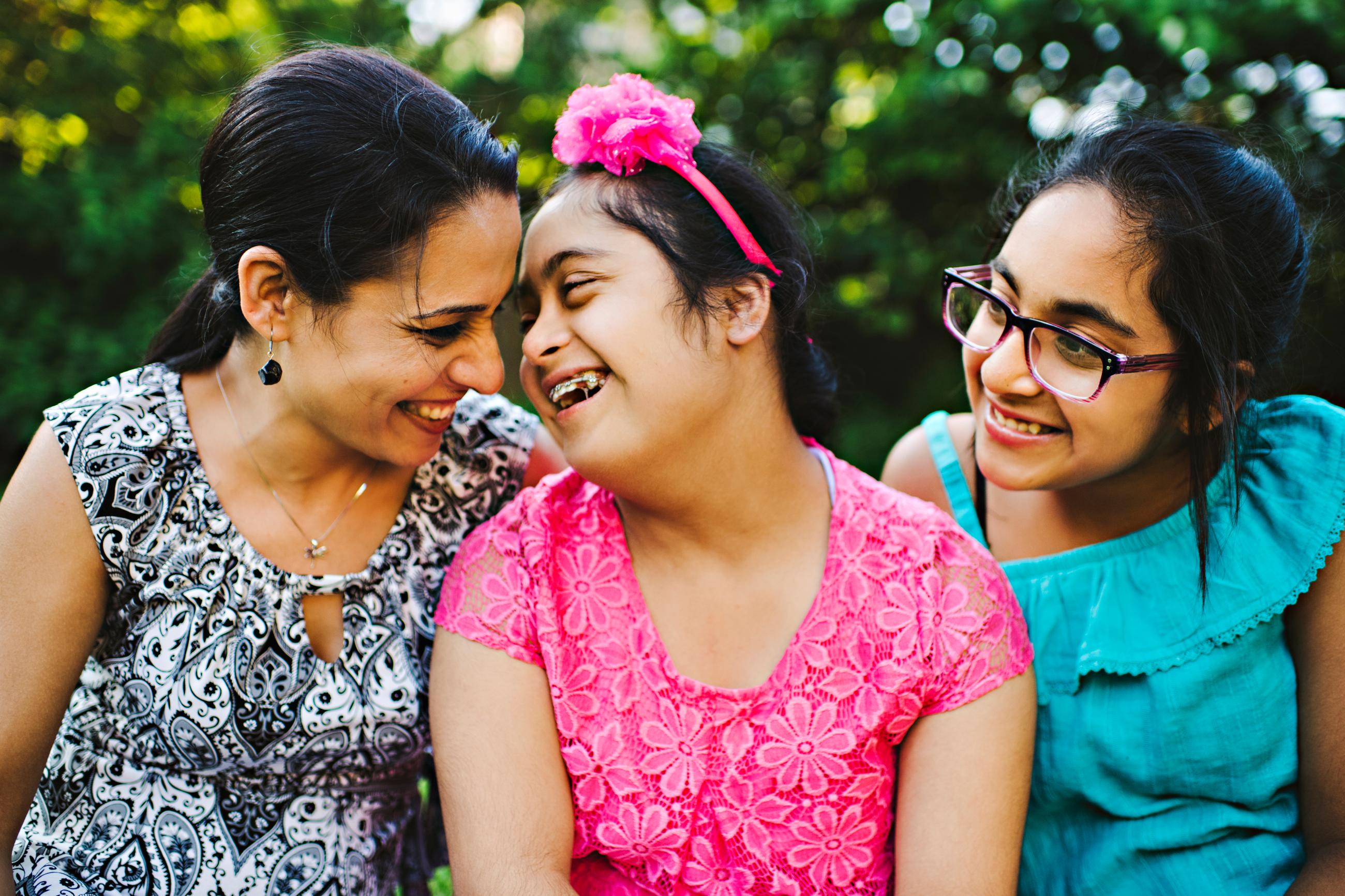
Emotional wellness means understanding and dealing with feelings, stressors, and hard times. It is an important part of overall health and wellbeing. It includes skills like stress management, controlling strong emotions, positive thinking, social connections, and sleep. Being emotionally well:
- Improves our physical and mental health.
- Strengthens relationships.
- Increases performance at school and work.
- Allows us to cope with life’s challenges.
Using healthy ways to deal with feelings and situations can improve our overall quality of life.
The Relationship Between Emotional Wellness and Mental Health
Individuals with Down syndrome experience stressors, challenges, and emotions, just like everyone else. They can also have mental health conditions, such as depression, anxiety, or obsessive-compulsive disorder.
If you are worried about your loved one’s mental health, it’s important to consult with a qualified healthcare professional. You can learn more on our Mental Health & Down Syndrome page.
Stress has a big effect on mental health. Everyone experiences stress, from everyday challenges like schoolwork or jobs, to major life events like moving or losing a loved one. How a person manages stress can make mental health better or worse. Research shows that individuals with Down syndrome are more likely to use avoidant coping strategies. These include rumination (repetitive sad or worrisome thoughts), emotional eating, and avoidance of the stressor altogether.
Building Resiliency Through Better Coping

Resiliency refers to the ability to manage stress in a healthy way and can be strengthened over time. People can learn helpful coping skills like positive thinking and setting goals. Practicing these skills often, especially when dealing with smaller stressors, can make it easier to handle bigger challenges later. Emotional wellness, like any skill, can be practiced and developed throughout the lifespan.
Emotional Wellness Strategies
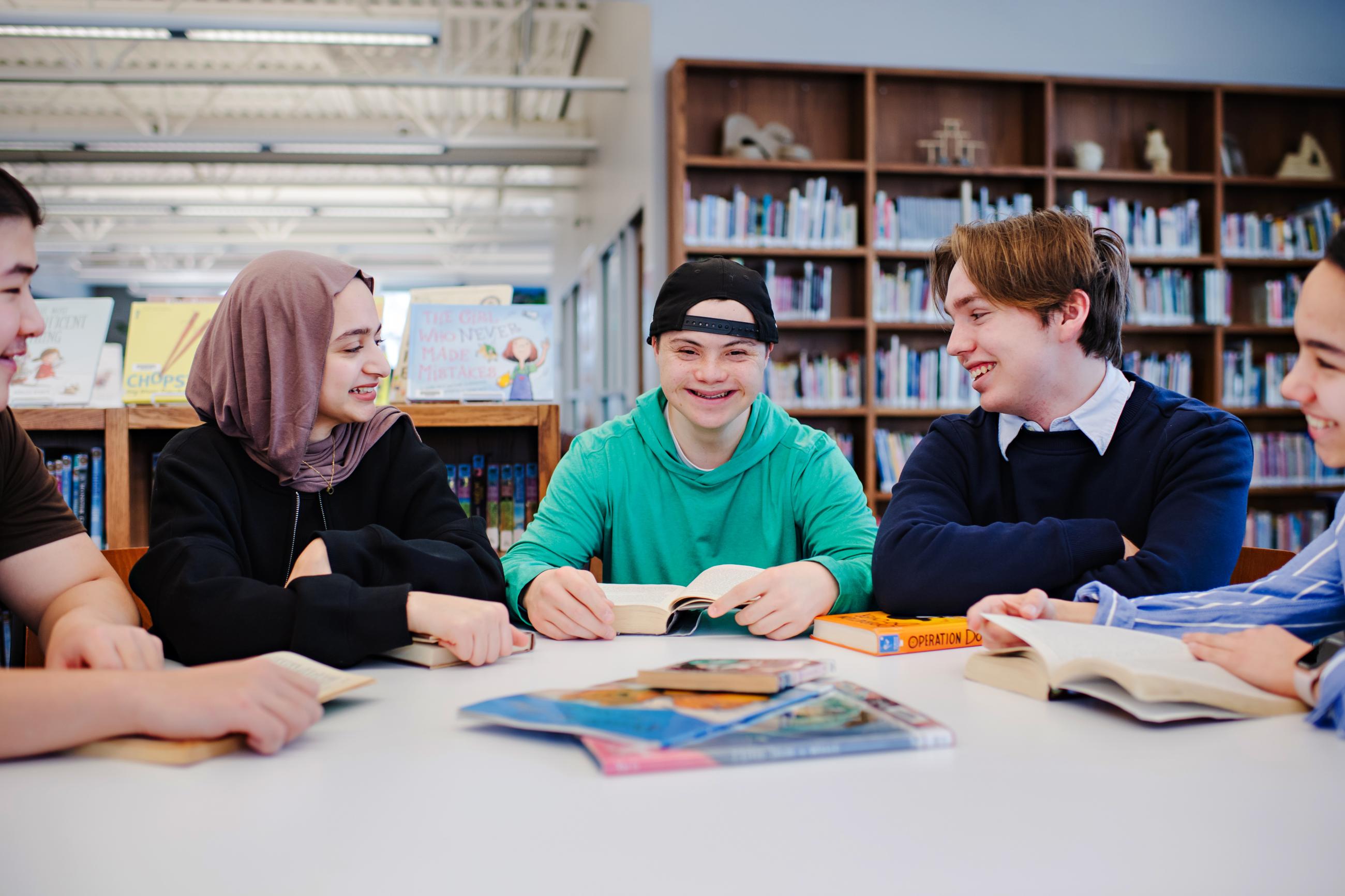
Caregivers can support individuals with Down syndrome in developing emotional awareness, learning coping strategies, and building relationships throughout life. Ways you can support emotional wellness are:
1. Identifying feelings and emotions:
- Talk about your own positive and negative feelings.
- Acknowledge that it is okay to have negative emotions, especially during hard times. Research shows that when you understand your own feelings and reactions, it can help your loved one learn to understand theirs too.
- Work to expand emotional vocabulary from basic emotional language to more specific terms (for example, “mad” could be angry, frustrated, or jealous). Visual tools, such as these emotion flashcards from Virginia Commonwealth University can help.
- Help your loved one recognize their feelings by asking how different experiences made them feel.
2. Managing stress:
- Acknowledge stressors in your life. Talk about what you do to manage your stress from these stressors.
- Support your loved one in naming stressors in their own life. Help them develop a plan to cope with or solve problems.
- Maintain healthy habits like physical activity and healthy eating. Support your loved one to do the same and remind them this is a way to reduce your stress.
- Practice stress reduction techniques like breathing exercises, meditation, mindfulness, or yoga together. Discuss the reasons why you do these activities.
- Teach your loved one with Down syndrome to set goals and make plans that can help them do large tasks. Checklists and trackers can help them recognize their accomplishments along the way.
- Encourage your loved one to talk about stressors in their life. Remind them they can talk to you, as well as other family members, friends, or professionals for support.
3. Thinking positive thoughts:
- Point out your loved one’s strengths, like being a good friend or a hard worker.
- Help them come up with positive phrases they can say to themself during hard times.
- Make it a point to practice gratitude as a family. Talk about what and who you are thankful for every day and encourage your loved one to do the same.
- If you hear your loved one talking negatively about themself or a situation, help them to find something positive too.
4. Connecting with others: Spending time with your loved one is important, but it’s also helpful to encourage them to keep and build friendships at every stage of life. Having supportive friends and family improves emotional wellness and mental health. This is especially important as your loved one with Down syndrome transitions out of school.
- Help them plan times to video call or call their friends and siblings to check in. This is highly important if their friends and siblings have moved for school or work.
- Support them to join sports teams, clubs, classes, and volunteer opportunities to meet people with similar interests.
- Practice conversation skills at home. You can use common icebreakers with friends and family.
- When you are meeting a new person together, encourage your loved one with Down syndrome to introduce themself, share some things about themselves, and ask questions.
- Teach them how to make plans with others, like choosing an activity, setting a time, and arranging transportation.
5. Getting a good night of sleep: Help your loved one with Down syndrome learn how much sleep they need and build a bedtime routine.
- Make sure they know how much sleep they need each night:
- Kids aged 6-12 years old need 9-12 hours of sleep.
- Teens aged 13-18 years old need 8-10 hours of sleep.
- Adults need 7-9 hours of sleep.
- Turn off screens like TVs, phones, and video games 30–60 minutes before bed since they can make it harder to fall asleep. Model this habit as well.
- Create a bedtime routine. Map out the timing and steps to take to prepare for a good night of sleep including when to turn off electronic devices, when to do something relaxing, and when to brush teeth. Creating a written or visual schedule to help build this routine over time. Consider using smart home devices to set reminders.
- Remind your loved one to limit caffeine (including many sodas) in the afternoon and evening. Caffeine can promote alertness in the body for 6 to 12 hours after consumption.
- Encourage your loved one with Down syndrome to stay active physically and mentally during the day. Physical activity and exercise promote better sleep. Having meaningful tasks and activities like work, school, chores, and social activities during the day also enhances sleep.
NDSS 321go!®
321go! improves the quality of life of individuals with Down syndrome. The program supports three key areas of wellness: physical activity, nutrition, and emotional wellness. The 321go! Program Guide explains the above strategies in a visual, easy to read format. The emotional wellness part of the guide was adapted from an NIH toolkit on the subject. 321go! can be done at home or in a group setting. If you would like to offer 321go! for a group, email NDSS at 321go!@ndss.org.
Thank you to Ruth Brown, PhD, who provided updates to this page.
Resources
External Resources
- National Institutes of Health (NIH) Emotional Wellness Toolkit
- Special Olympics Strong Minds (Mental Health)
- Virginia Commonwealth University (VCU) Wellness Tips
- Advocate Medical Group Mental Wellness in Adults with Down Syndrome
- Advocate Medical Group Finding a Mental Health Professional
- Virginia Commonwealth University (VCU) Emotion Coaching
References
- Antonarakis, S.E., Skotko, B.G., Rafii, M.S. et al. Down syndrome. Nat Rev Dis Primers 6, 9 (2020). https://doi.org/10.1038/s41572-019-0143-7
- Denham SA, & Grout L (1993). Socialization of emotion: Pathways to preschoolers’ emotional and social competence. Journal of Nonverbal Behaviour, 17, 205–227.
- Dykens EM, Shah B, Sagun J, Beck T, King BH. Maladaptive behaviour in children and adolescents with Down's syndrome. Journal of Intellectual Disability Research. 2002;46(6):484–492.
- Eisenberg N, Cumberland A, & Spinrad TL (1998). Parental socialization of emotion. Psychological Inquiry, 9, 241–273.
- https://www.samhsa.gov/mental-health
- Poumeaud, F., Mircher, C., Smith, P. J., Faye, P.-A., & Sturtz, F. G. (2021, May). Deciphering the links between psychological stress, depression, and neurocognitive decline in patients with Down syndrome. Neurobiology of Stress, 14, 100305. https://doi.org/10.1016/j.ynstr.2021.100305
- Roll AE, Bowers BJ. Building and Connecting: Family Strategies for Developing Social Support Networks for Adults With Down Syndrome. Journal of Family Nursing. 2019;25(1):128-151. doi:10.1177/1074840718823578
- Rivelli A, Fitzpatrick V, Chaudhari S, Chicoine L, Jia G, Rzhetsky A, Chicoine B. Prevalence of mental health conditions among 6078 individuals with Down syndrome in the United States. J Patient Cent Res Rev. 2022;9:58-63. doi: 10.17294/2330-0698.1875
- Van Gameren-Oosterom HB, Fekkes M, Buitendijk SE, Mohangoo AD, Bruil J, Van Wouwe JP. Development, problem behaviour, and quality of life in a population based sample of eight-year-old children with Down syndrome. PLos One. 2011;6(7)