Research is a critical way to discover answers to questions that matter to individuals with Down syndrome, their families, and the caregivers and professionals who support them. It enhances the understanding of not only co-occurring health conditions and treatments but also information related to education and employment. This knowledge can greatly improve health outcomes and the quality of life of individuals with Down syndrome. The National Down Syndrome Society (NDSS) does not conduct research, however, NDSS recognizes the importance of research and works to connect families, researchers, and professionals in a way that increases overall knowledge about Down syndrome and facilitates greater research participation among our community.
NDSS supports and engages with research by serving as a bridge between researchers and the Down syndrome community, coordinating collaborative research projects, preparing industry partners and clinical site study teams for inclusive clinical trials, sharing research opportunities with families, and expanding access to clinical trials, treatments, and diagnostics.
Research Projects Coordinated by NDSS
- Consensus Statement on Eligibility Criteria: NDSS is working to ensure that individuals with Down syndrome have equal access to emerging Alzheimer’s disease treatments with (or near) FDA approval. In partnership with the National Task Group on Intellectual Disabilities and Dementia Practices (NTG), NDSS worked to lead a consensus panel with expertise in intellectual disabilities, Down syndrome, and Alzheimer’s disease to call for modifications to prescription criteria to account for the younger onset age of dementia among individuals with Down syndrome and the need for adaptation of assessment instruments validated for cognitive decline in the Down syndrome population. The completed work was published in Alzheimer’s & Dementia, in 2024 to illustrate why and how healthcare insurers’ prescribing criteria should be adapted to include individuals with Down syndrome.
- LIFE-DSR: The Longitudinal Investigation for the Enhancement of Down Syndrome Research (LIFE-DSR) was a multi-year, coordinated research study by medical and academic professionals to track and analyze the medical and physical data of 270 adults with Down syndrome. LIFE-DSR was an “observational” study and not a trial for a new medication or therapy. The goal of the study was to understand how adults with Down syndrome change as they age and develop tools to measure the changes that are associated with Alzheimer’s disease for individuals with Down syndrome.
- RAND: The purpose of our project with RAND was to demonstrate that by investing in research today will yield health benefits for the next generation of adults with Down syndrome. The findings, Modeling the Impact of Research Investment on Down Syndrome–Associated Alzheimer's Disease (DS-AD), are published in a research report that is free to download.
- MinDSet: NDSS created the MinDSet Down Syndrome Training to support the growing network of clinical research sites that will welcome individuals with Down syndrome. This training is intended for all staff at clinical research sites.
Policy & Regulatory
Research Projects Led by NDSS:
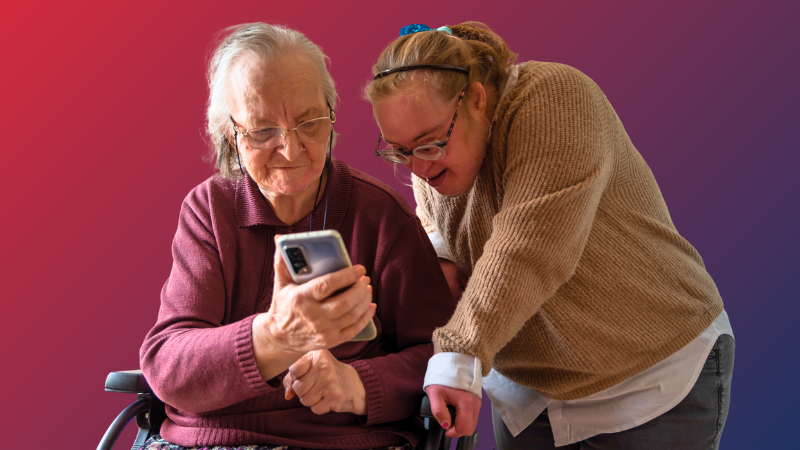
Research Projects in Partnership with and/or Supported by NDSS:



Research Projects Advised by NDSS
Click on the logos below to learn about the projects advised by NDSS.