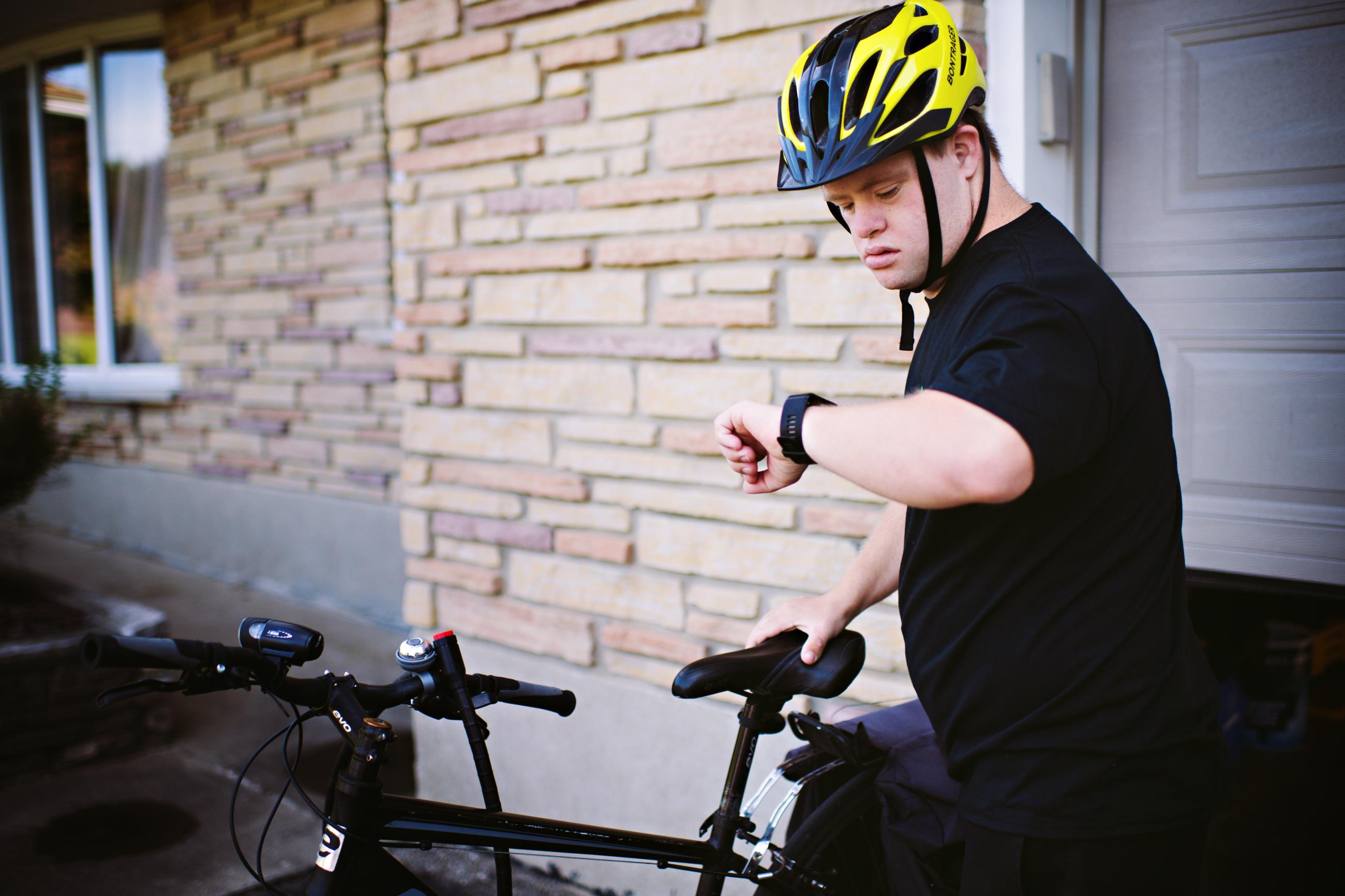
Physical activity is any type of body movement that uses your muscles and your energy. Exercise is one type of physical activity that improves physical fitness. Physical activity could be doing things like:
- Walking your dog
- Taking the stairs
- Cleaning the house
Exercise includes activities like running, swimming, or dance classes.
Physical activity has physical, mental, and social benefits. These benefits include increased confidence, reduced weight gain, and a lower risk of developing certain health conditions.1
Why is Physical Activity Important for Individuals with Down Syndrome?
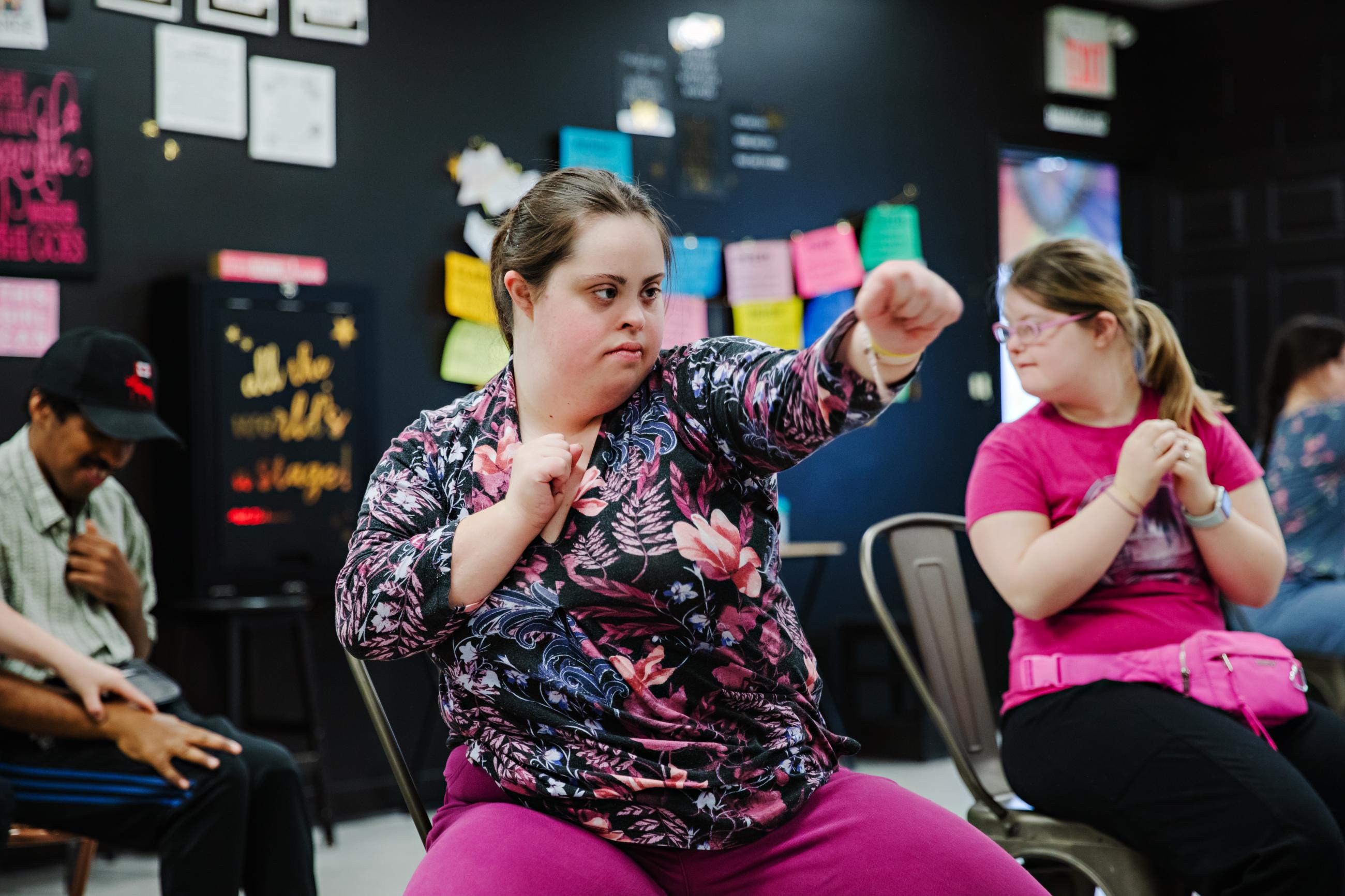
Individuals with Down syndrome have a higher risk for certain health conditions. Being physically active can help lower these risks and can also be fun and motivating. Staying active supports a healthy and happy lifestyle.
NDSS’ 321go!® program encourages four types of exercise that can benefit the health and wellness of individuals with Down syndrome:
- Endurance: includes activities like swimming or running. These activities help heart and lung health and make everyday activities less exhausting.
- Strength: includes activities like resistance bands and weights. These activities improve bone, joint, and muscle health. This can help posture, joint stability, and motor skills.
- Balance: includes activities like standing on one foot and heel to toe walking. These activities help core stability, movement, and lower the risk of falling.
- Stretching: Flexibility exercises (stretching) prevent your muscles from getting tight and short and improves the range of motion in your joints.
Physical Activity Guidelines for Individuals with Down Syndrome
Right now, there are no official government guidelines for physical activity made just for individuals with Down syndrome. However, experts have created their own recommendations. They suggest three types of exercise for different ages: endurance, strength, and balance activities.2 Flexibility exercises can also help, but they should be done carefully.
This is what the proposed guidelines suggest:2
Individuals ages 5-12 years old2
- Endurance: Your child should participate in daily aerobic activity with a goal of 30 minutes or more per day at moderate or greater intensity. At this intensity, your child may be breathing somewhat faster, can still talk, but can’t sing comfortably. Examples include tag, hopscotch, or kickball.
- Strength: Focus on activities that use some body weight or full-body weight to build strength without injury. Examples include simple obstacle courses or playful activities with resistance bands that can be adapted to the individual’s comfort level.
- Balance and flexibility: At least twice a week, your child can participate with caution in physical activities that use flexibility and balance and are not structured. Examples include single-leg stances, throwing and catching, or upper-body stretches.
Individuals 13-17 years2
Endurance: For at least 30 minutes or more, your child should participate in daily aerobic activity at moderate or greater intensities, where the individual may be breathing somewhat faster, can still talk in sentences, but can’t sing comfortably. Examples include hiking, team sports, or roller skating.
Strength: Adolescents can focus on muscle-strengthening activities that use full-body weight or some body weight at least three days a week with caution. Examples include obstacle courses, resistance band exercises, or weight training.
Balance and flexibility: Balance and flexibility activities should be done with caution at least 2-3 times per week and last 15 to 20 minutes per session in addition to aerobic and strength activities. Examples include seated ab stretches, yoga, or tandem stance.
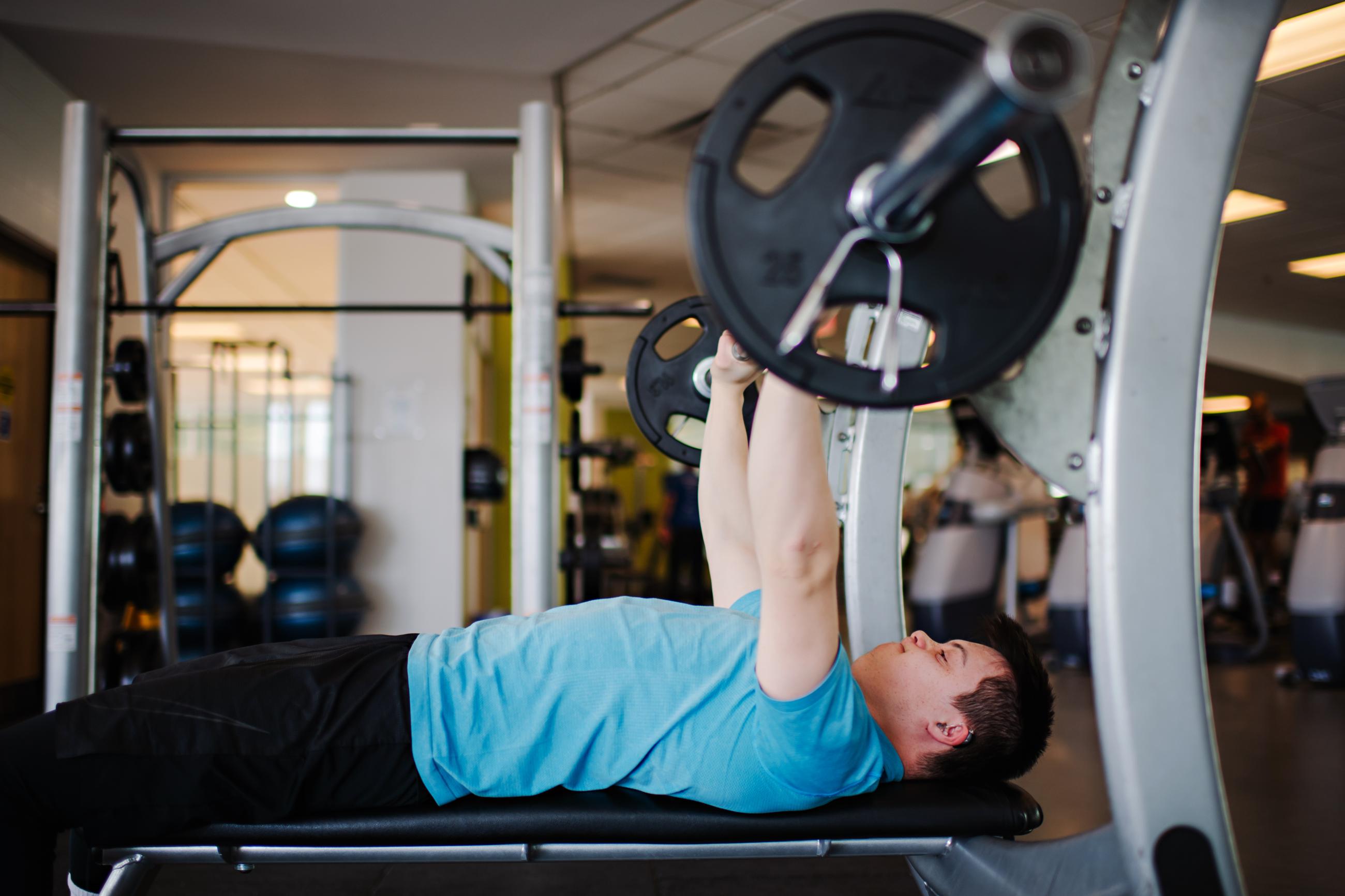
Individuals 18 years and older2
- Endurance: Your loved one should participate in at least 25 minutes of aerobic activity 6 days a week or 30 minutes 5 days a week to meet the goal of 2 hours and 30 minutes per week. These activities should be done at moderate or greater intensities, where the individual breathes a little faster but can still talk in sentences, yet can’t sing comfortably. Examples include brisk walks, water aerobics, or dancing.
- Strength: Activities of strength should be done 2-3 days per week for at least 30 minutes 6-12 times in 2-3 sets before resting. Examples include free weights or resistance bands.
- Balance and flexibility: Activities of balance and flexibility should be done 2-3 days per week for a total of 20-30 minutes each and done with caution. Examples include Tai Chi, balance boards, or heel-ups.
Considerations for Individuals with Down Syndrome
Individuals with Down syndrome often do less physical activity than is recommended. There are many reasons for this.
Social and Environmental Factors
Public fitness centers often have fewer programs for people with disabilities than for people without disabilities. This can limit their choices for staying active.3 When programs are not inclusive, they may feel left out and be less likely to join in fitness activities.4 Many individuals with Down syndrome enjoy group classes, sports, and exercise equipment that can be adjusted to their needs.
Getting to activities, changing schedules, and lack of support can make it harder to be involved. Many individuals with Down syndrome rely on family or caregivers for rides and encouragement. When sports seasons end or programs change, it can affect their interest in staying active. These challenges can also lead to feeling lonely, bored, or less confident about joining activities.
Physiological Factors
Individuals with Down syndrome have physical differences that can affect how they join in physical activities and how their bodies respond to them.
Heart and Lung Functions:
Many individuals with Down syndrome have lowered maximal heart rates (MHR). MHR is the highest number of heart beats per minute that a heart can achieve when working hard. The typical MHR for an individual with Down syndrome is 25-30 beats less per minute than their peers.5 This difference affects the body’s ability to deliver oxygen and pump blood to the heart. Lower MHR can cause many individuals with Down syndrome to feel more tired, become lightheaded, be short of breath, and have less energy when completing daily activities.5
Musculoskeletal Differences:
Individuals with Down syndrome have differences in their muscles and bones, including flexible ligaments and low muscle tone. This can lead to flat feet, spine curvature, and hip or knee problems. These issues may cause individuals with Down syndrome to get tired more easily or have difficulty with movements. This is also why individuals should be careful while doing flexibility exercises, like stretching.5
Neuromuscular Differences:
More than half of individuals with Down syndrome have low vision or hearing, and many also have differences in body awareness. Along with flexible ligaments, this can make balance harder. Differences in how muscles and nerves work together can also affect posture, movement, walking, and standing.6
Supporting Physical Activity as a Caregiver
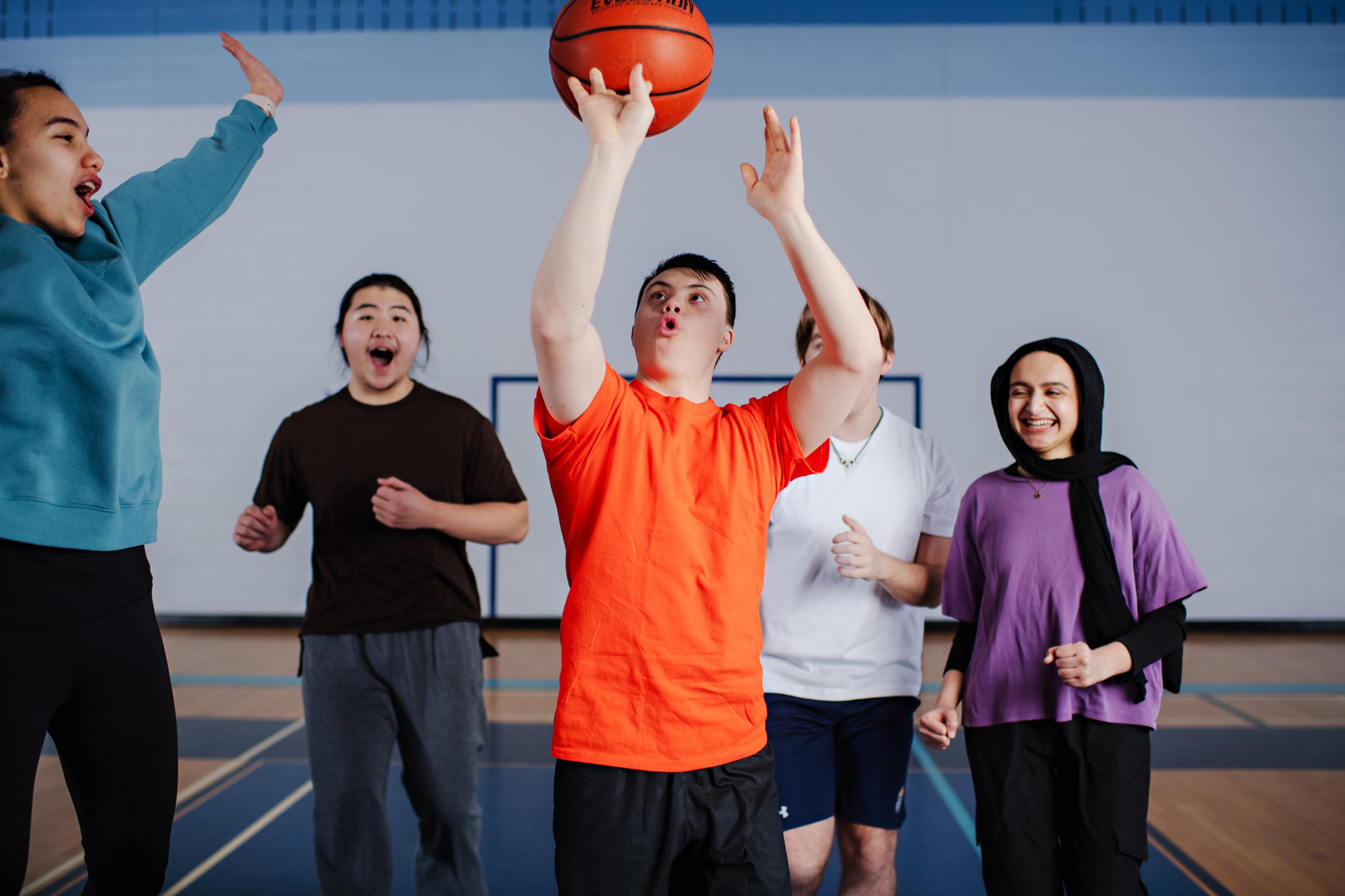
It is important to support your loved ones’ physical activity journey and encourage them to adopt an active lifestyle. Here are examples of some ways you can support your loved ones in becoming more active:
Building Knowledge, Support, and Independence
- Support knowledge, confidence, and understanding of physical activity. A great place to start is by reading the 321go! Program Guide together.
- Encourage activities and exercises that build independence. This supports their confidence in making choices.
- Track successes with stickers, calendars, or charts to mark active days. Set realistic goals, like walking around the neighborhood in the evening or walking your dog regularly to motivate them.
- Celebrate their participation and effort, no matter how small. Show support and make physical activity fun.
Family Involvement and Adaptive Physical Activity Opportunities
- Include physical activity in your family’s daily routine so your loved one doesn’t feel singled out. Doing activities together like walking, dancing, yoga, or hiking can be fun, supportive, and help build positive habits.
- Introduce your loved one with Down syndrome to adaptive and inclusive classes/sports programs. These programs allow them to explore new interests and be social while staying active. Inclusive Zumba classes, dance classes, or seasonal sports programs are some examples that can help encourage physical activity.
- Consider working with a Physical or Occupational Therapist to learn adaptable at-home exercises and stretches. Examples include single-leg raises, jumping jacks, overhead reaches, and calf stretches.
Therapeutic Support for Daily Living Skills
- Physical therapy and Occupational therapy:
- Physical therapy helps improve strength, joint stability, balance, coordination, and motor planning that can help improve standing, walking, posture, and decreased pain and fear with movement.
- Occupational therapy teaches strategies for success in daily activities and helps individuals develop skills for increased independence in many areas including dressing, planning activity schedules, and how to successfully participate in activities.
- Physical and Occupational Therapists can help with safe movement for individuals of all ages.
NDSS' 321go!
321go! is a wellness program that improves the quality of life of individuals with Down syndrome. The program equips individuals with the knowledge and skills they need to improve their health and actively engage in relationships, education, employment, and leisure opportunities. Using a behavior change model, the foundation of the program is a set of 3 daily goals and 21 additional challenges that encourage healthy lifestyle choices in physical activity, balanced nutrition, and emotional wellness. 321go! can be done at home or in a group setting. Individual program materials can be found here. Email NDSS if you would like to offer 321go! for a group at 321go!@ndss.org.
Safety
Before starting an exercise program, you should consult with your doctor or other healthcare professionals to make sure it is right for your needs and physical condition. This is particularly true if you (or your family) have a history of high blood pressure or heart disease, or if you have ever had chest pain when exercising or have had chest pain in the past month when not participating in physical activity, are a smoker, have high cholesterol, are obese, or have a bone or joint problem that could be made worse by a change in physical activity. Do not start an exercise program if your doctor or healthcare team tells you not to. If you experience faintness, dizziness, pain, or shortness of breath at any time while exercising, you should stop immediately.
The information and resources provided herein are for informational purposes only, including those related to health, physical activity, and exercise. NDSS is not a healthcare provider, and this information should not be construed as medical advice or a substitute for professional guidance. Please consult with your family member’s qualified clinician(s) or other trusted professionals to determine your/their personal healthcare and support needs (if any).
Thank you to Sarah Mann, PT, DPT, MBA, NSCA-CPT and Thessa Hilgenkamp, PhD, who provided updates to this page.
Resources
Additional Resources
- Special Olympics Fitness Implementation Guide
- Advocate Medical Group – Adult Down Syndrome Center
- Special Olympics Health Engagement Ideas for Physical Fitness
- Mann Method Therapy Network
- AdaptX
References
1. Slivka S. Movement is key to supporting adults with down syndrome. University of Nevada, Las Vegas. 2024.
2. Oreskovic NM, Austin G, Aylward B. The international summit on health benefits of physical fitness for people with down syndrome: Current science, gaps, priorities, and research opportunities. American Journal of Medical Genetics Part A. Published online September. 2023;21:64256. doi: 10.1002/ajmg.a.64256.
3. Ginis M, Van Der Ploeg KA, Foster HP, C. Participation of people living with disabilities in physical activity: A global perspective. The Lancet. 2021;398:443–455. doi: 10.1016/s0140-67362101164-8.
4. Oreskovic NM, Agiovlasitis S, Patsiogiannis V, Santoro SL, Nichols D, Skotko BG. Brief report: Caregiver perceived physical activity preferences of adults with down syndrome. 2022;35:910–915. doi: 10.1111/jar.12979.
5. Mann S, Spiric J, Mitchell C, Hilgenkamp T. Development of a physical therapy-based exercise program for adults with down syndrome. International Journal of Environmental Research and Public Health. 2023;20(4). doi: 10.3390/ijerph20043667.
6. Maïano C, Hue O, Lepage G, Morin A, Tracey D, Moullec G. Do exercise interventions improve balance for children and adolescents with down syndrome? A systematic review. Physical Therapy. 2019;99(5):507–518. doi: 10.1093/ptj/pzz012.